
Mobile money ecosystem components
In the previous topic, we discussed various use cases for mobile money. In this topic, we will learn more about how these types of transactions flow through the mobile money ecosystem.
Let’s start by looking at the core components that make up the mobile money ecosystem including the core wallet platform, USSD gateway, SMSC, payment gateway, and third-party systems.

Although each mobile money operator will have their own unique architecture, there are a few standard components that typically make up a mobile money ecosystem.
Core wallet platform
The first component we will discuss is the core wallet platform, which is the heart of the mobile money ecosystem. This platform, which is controlled by the Mobile Network Operator, is where all the wallets in the ecosystem are stored. In it’s simplest form it is a database with a list of each wallet, represented by the customer’s MSISDN, and it’s balance.
The core wallet platform is also responsible for authentication and authorisation, in other words, who has access and which type of transaction they can perform. So if a user wants to perform a transaction involving the platform, such as transferring money or checking their balance, they will need to enter a PIN number which is stored on the core wallet platform.
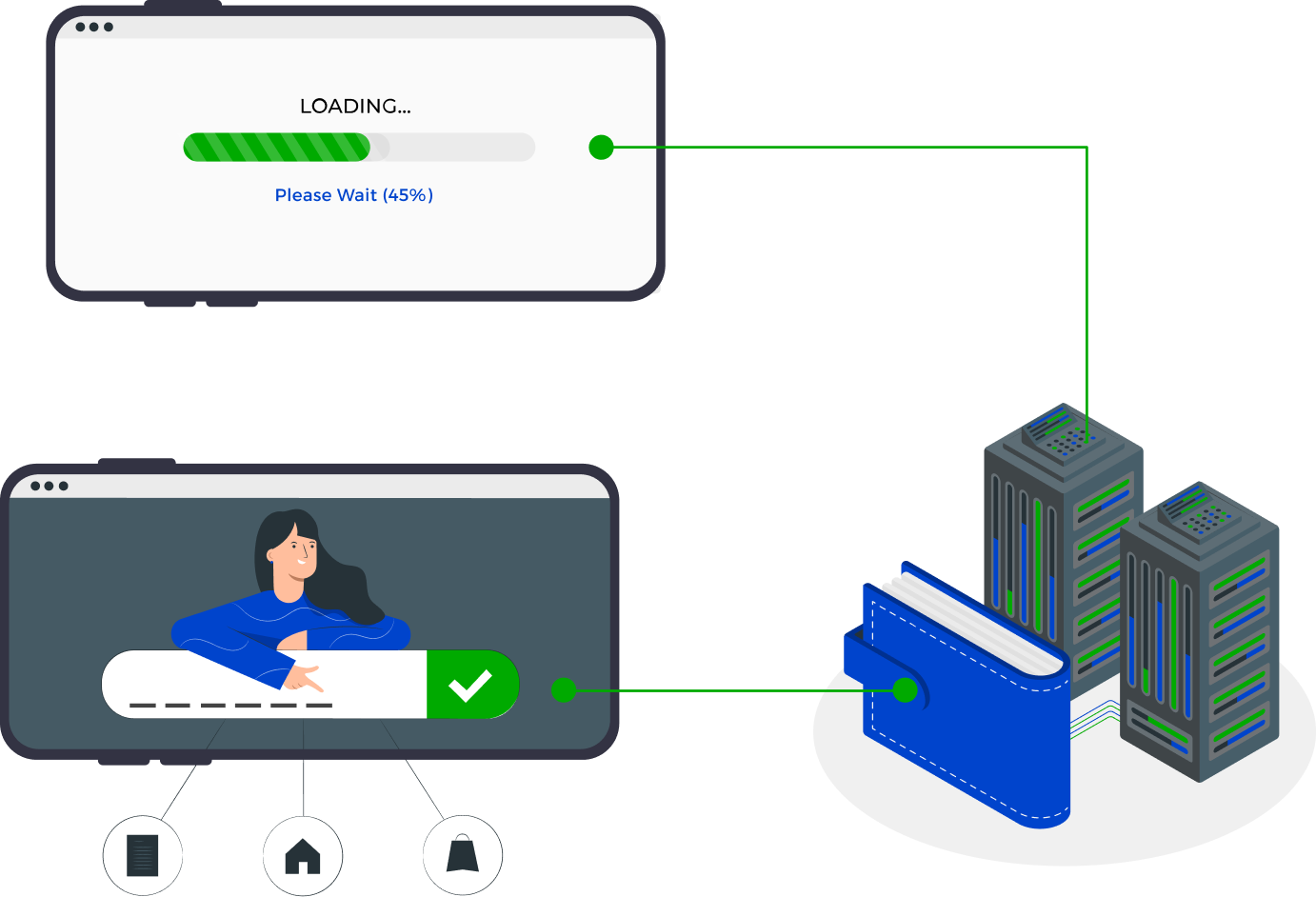
In some cases the platform will offload the encryption and storing of encrypted PINs to a third-party platform. In this case, there would be an additional system called the hardware security module (HSM), which is responsible for hashing and storing the users’ PIN numbers. When authentication is required, the HSM will be responsible for validating the PIN against the user’s stored PIN and respond to the core wallet platform that the transaction can proceed.
In addition to storing wallets, the core wallet platform is also responsible for handling the movement of funds between them. As mentioned before, it is vitally important that these transactions always balance on the system. So if there is a debit on one wallet there will be a credit on another wallet.
The core wallet platform logs every transaction that occurs on the platform so there is a complete history of what has occurred. This includes any incoming or outgoing transactions involving a wallet, such as the movement of funds and balance queries. This is useful in the event that there is an error and the system doesn’t balance.
The platform also stores information and “Know Your Customer” (KYC) details about the mobile money agents, businesses and customers, and logs any activity or change to this information.
Because the core wallet platform handles wallets and their transactions, security is a huge concern. The platform servers are typically hosted in the mobile money operator’s data centre and may even be locked inside a cage to prevent any tampering. Only certain personnel, such as the CTO and high-level executives would have access to these keys.

There are a number of big providers in the core wallet platform space. One of the biggest is Huawei, who provides a product called Core Payment System, but you will often hear us refer to it as G2. Other well-known providers include Tech Mahindra, Comviva, and Telepin. There are also a few open source core wallet platforms including Apache’s Fineract.




So we have the core wallet platform that sits at the centre of the mobile money ecosystem, but there are also a number of peripheral platforms that are required in order for the ecosystem to function.
USSD gateway
The first is the USSD gateway, which is also controlled by the Mobile Network Operator. This is where the Mobile Network Operator registers various USSD short codes, such as *100# or *121#. It is also the platform that is responsible for rendering the USSD menu. In some cases, the USSD menu and interaction will be configured on the USSD gateway, but in others, it will hand over the responsibility to another system.
There are three systems that can host or render the USSD menu – the payment gateway, the core wallet platform or the USSD gateway itself. Menu handling can be redirected between these systems so certain parts of the menu are hosted by one platform and then when you choose a certain option on the menu, control gets handed over to another system to render the remainder of the menus. These handovers occur behind the scenes so they don’t impact the user’s experience.
In the case of our iNSight Payment Gateway (iPG), which we will discuss in more detail later, the mobile money short code is registered on the USSD gateway. When a user enters the short code on their mobile device, the session handling the rendering of the USSD menu is handed over to the iPG, which takes responsibility for the USSD interaction with the user.
SMSC
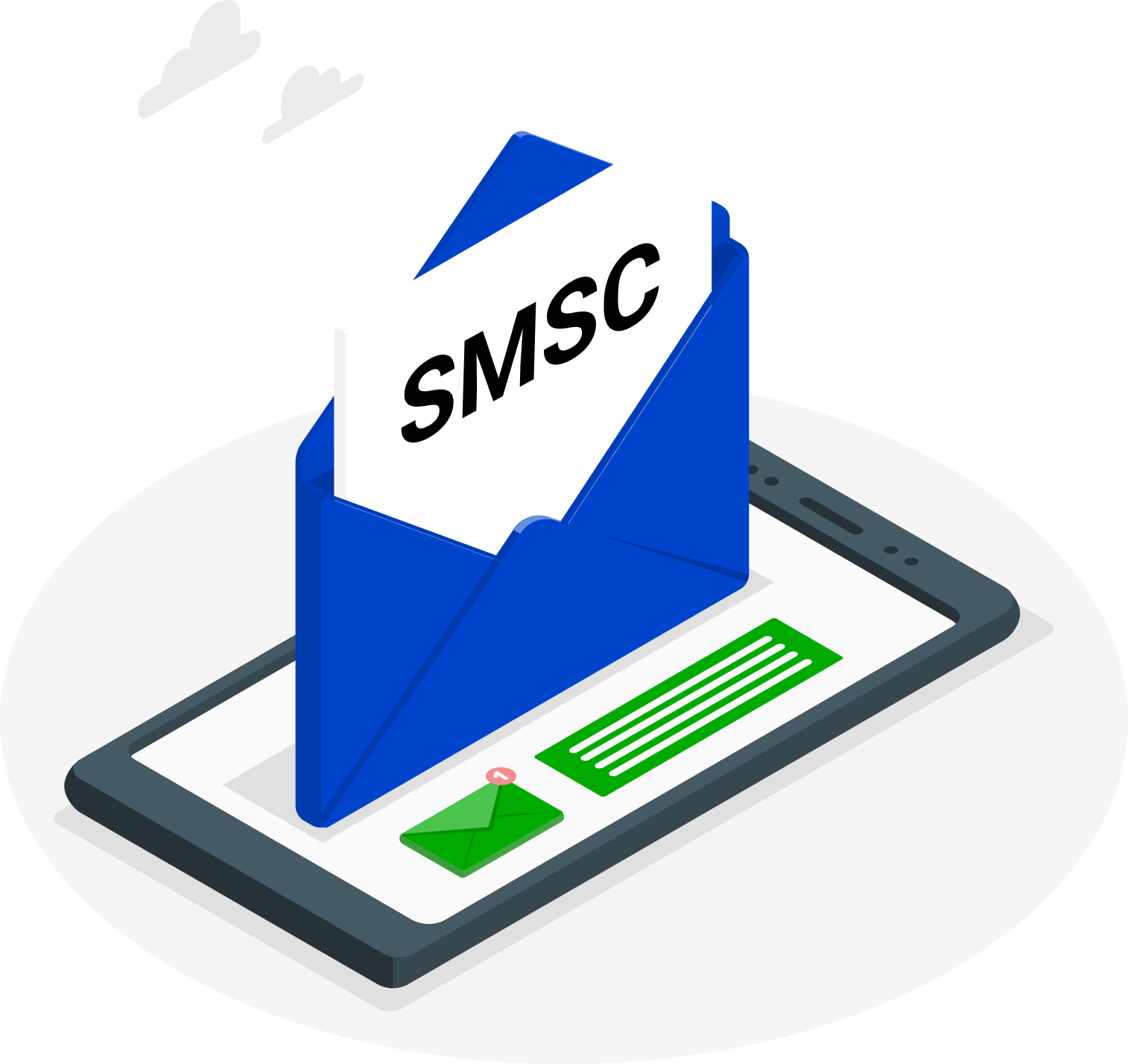
The SMSC, which is also controlled by the Mobile Network Operator, is another peripheral platform making up the mobile money ecosystem. It is primarily responsible for sending SMSs to users’ mobile devices, such as notifications and successful or failed transactions and balance updates. It can, however, also receive SMSs and in some cases a user might send an SMS to certain platforms to perform a specific function. For example, a user can send an SMS to a predefined number with a certain keyword, such as “balance”. The SMSC forwards that request to the relevant system which can then respond back to the customer with his balance via an SMS.
Payment gateway
The next peripheral platform we will discuss is the Payment gateway, which is also controlled by the Mobile Network Operator. It is extremely important for two reasons. Firstly, the payment gateway improves security by adding a layer of abstraction so third-parties don’t directly integrate into the mobile money system. If a malicious third-party “attacks“ the platform, they will potentially bring down the payment gateway but they are unlikely to compromise the mobile money system.
Secondly, it facilitates payments to the outside world. While it is useful being able to transfer money between peers, mobile money’s real value becomes apparent when customers are able to make use of their mobile money for everyday activities, like buying food or paying for their TV subscription. By allowing for quick integration of third-party systems, such as KFC or DSTV, into the mobile money operator’s system, users can make use of their mobile money to pay these third-parties.
Third-party systems
This brings us to our final component of the mobile money ecosystem – the third-party systems that sit outside the control of the mobile money operators. Examples of third-party systems include the systems belonging to KFC or electricity providers.
These systems are vitally important to the functioning of the mobile money ecosystem as a whole, but more specifically for the specific service it provides. For example, if the mobile money operator’s payment gateway integrates into KFC’s system, and for some reason the KFC system goes down, the service on the mobile money side, which is being able to pay KFC, will be unavailable.
It is important to know that each company will have it’s own system setup, so each and every integration into a third-party system will be unique.
Summary
You should now understand the core components that make up a typical mobile money ecosystem. The core wallet platform is controlled by the Mobile Network Operator and sits at the centre of the ecosystem. There are various peripheral platforms that are also controlled by the Mobile Network Operator including the USSD gateway, SMSC, and payment gateway. Additionally, there are various third-party systems outside the control of the Mobile Network Operator.
In the next topic, we will look at how transactions flow through the ecosystem.