
A brief history of mobile money
Welcome to lesson one of the Payment Gateway Essentials course! In this lesson, you’ll learn how mobile money came about and come to understand its importance in today’s socio-technical world.
The iNSight Payment Gateway enables telecommunication companies, also known as Telcos, to provide mobile money services. But what exactly is mobile money?
Simply put, mobile money – also known as EMoney – is an electronic representation of value that is stored in an eWallet hosted by a Mobile Network Operator (MNO).
In order to understand the concept of mobile money fully, let’s take a look at where it started and why.
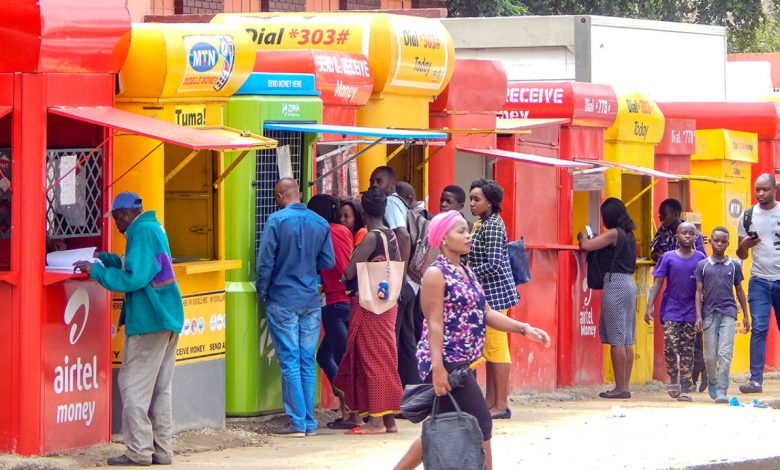
Many years ago, most developing African countries didn’t have mature and accessible banking infrastructures where people could deposit and withdraw their money. Instead, people were forced to use cash to buy goods and services, which presented several challenges.
Not only were cash transactions a huge safety risk, but they were also inconvenient as people had to be physically present at the point of sale in order for the transaction to take place. This was particularly difficult for people in rural villages who would not only have to pay for transport to a city centre, but also spend huge amounts of time in queues to pay their bills.
Unlike the formal banking system, MNOs were well established across the African continent. The high-level of adoption of mobile phones meant they had an established infrastructure and network that allowed almost everyone to enjoy Voice, SMS and USSD connectivity via their mobile phones.
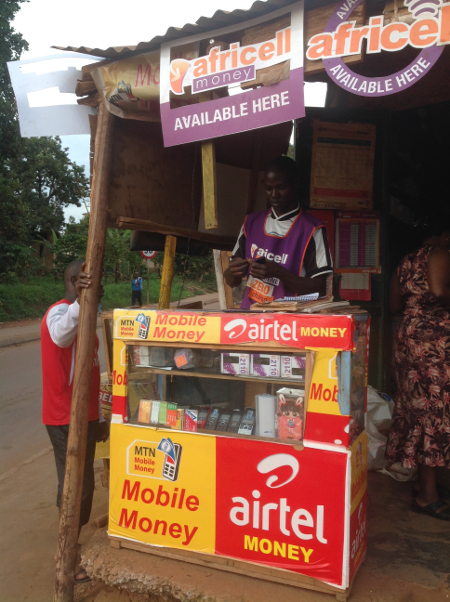
In order to recharge their phones with airtime, customers would take cash to a registered agent. These agents were plentiful and could be found standing on almost every street corner.

When the agent received the customer’s cash, they would give them a voucher for the corresponding amount of airtime. The customer would then send a unique voucher code to a number and their account would be loaded with an electronic representation of value equating to the predetermined amount of airtime they had purchased. This was a widely accepted and trusted process used by a large majority of people.
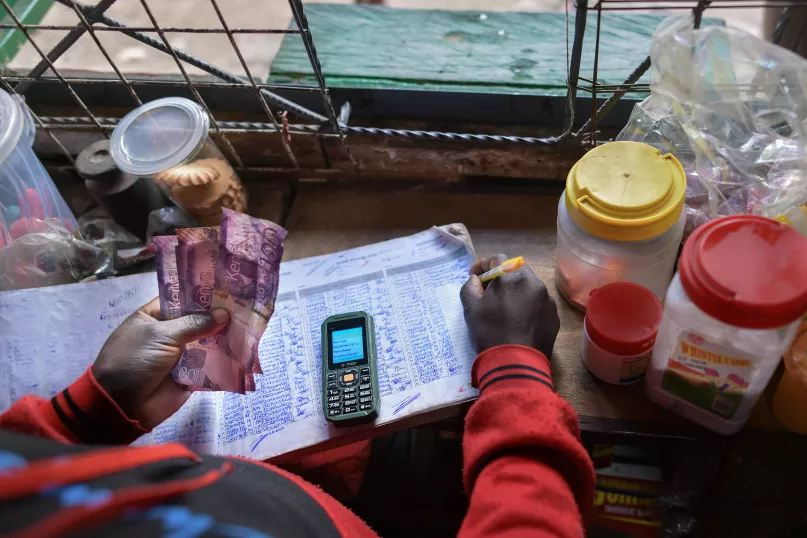
Telcos soon realised they had an opportunity to leverage their established agent networks to change people’s lives for the better. They set out to use this simple airtime purchasing process but instead of restricting customers to using the electronic value loaded to their phone to buy only airtime, they would give them the option to pay for anything. And so mobile money was born.
Now when a customer gave an agent cash, the agent would allocate the value as electronic money, which was stored on an electronic wallet (eWallet) hosted on the mobile network. This was similar to the airtime eWallet, which also stored an electronic representation of value with limited use cases. In the case of mobile money, however, the mobile money wallet required much more stringent security measures. Therefore, when a customer used their mobile device to access their mobile money wallet, they were required to enter a PIN number.
Once they had logged into their eWallet, they could view their balances and transact in various ways. For example, customers could now transfer money between people, or pay for goods and services like electricity.
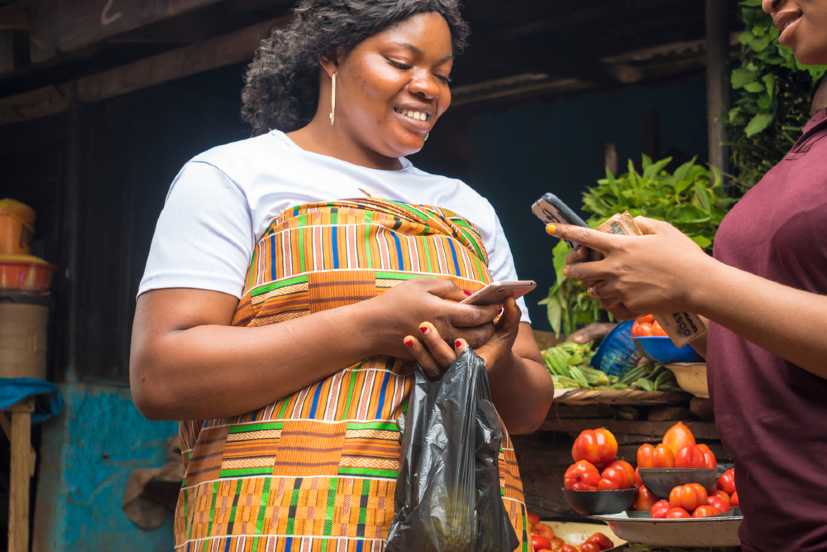
This life-changing development not only solved the safety issue around carrying cash, it also meant people could now transact from the comfort of their own home.
What is the difference between mobile money and mobile banking?
Mobile money is a financial service that Mobile Network Operators, or any entities that partner with Mobile Network Operators, offer their clients, independent of the traditional banking network. A bank account is not required to use mobile money services. Instead, the only requirement is a basic mobile phone.
Services that offer the mobile phone as a channel for accessing traditional banking products are considered mobile banking, not mobile money. Mobile banking is the use of an application on a mobile device to access and execute banking services such as cheque deposits, balance inquiries and payment transfers.

Over the last decade, the transformative power of mobile money has become clear in developing countries across Africa and Asia, playing a pivotal role is making the dream of financial inclusion a reality.

Globally, the adoption of mobile money services has continued to rise. There are currently 316 mobile money operators across 98 countries, with 1.35 billion registered mobile money accounts processing over over $1 trillion worth of transactions annually.
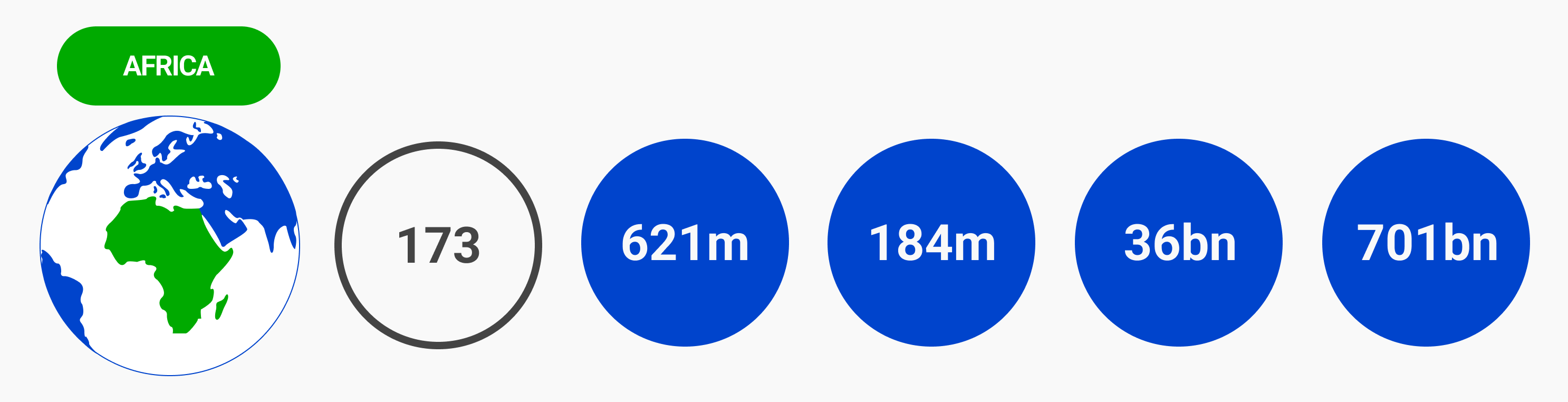
In Africa alone, there are currently 173 mobile money operators, with 620 million registered mobile money accounts processing over $700 billion in transactions each year. That is over $1.3 million worth of transactions every hour, 365 days a year.
The numbers are truly astounding and there can be no doubt that mobile money is here to stay!
While the concept of mobile money started as an extremely simple one that allowed customers to transfer money between themselves, it has evolved over the years as more integrators have been added to the mobile money environment. The use cases for mobile money have grown extensively and we will take a look at these in more detail in the next topic.